
Metabolic Research Reference
SLU-PP-332: A Pan-ERR Agonist for Metabolic and Exercise-Physiology Research
SLU-PP-332 is a synthetic small-molecule agonist of the estrogen-related receptors (ERRs), a family of orphan nuclear receptors. It acts on all three isoforms — ERRα, ERRβ, and ERRγ — with an EC50 of about 400 nM at each, and belongs to the SLU-PP series from the Burris group. Researchers study it mainly as a tool for investigating oxidative metabolism, mitochondrial function, and the molecular basis of exercise adaptation. This is an informational research reference; the compound ships for laboratory research use only.
ERRα/β/γ
Pan-ERR agonist — activates all three estrogen-related receptor isoforms
~400 nM
Approximate EC50 at each ERR isoform
RUO
Investigational — not FDA-approved; laboratory research use only
What makes our research model different
Infrastructure behind peptide access
RevHealth is building the infrastructure behind peptide access. From third-party-tested research compounds and wholesale fulfillment to white-label supply, coach partnerships, and future telemedicine integration, the model is designed to support both individual researchers and serious wellness brands at scale.
Chemical profile
A boronic-acid thiophene, distinct from the parent scaffold
Structurally, SLU-PP-332 carries a boronic acid moiety on a di-substituted thiophene scaffold. To design it, researchers started from the crystal structure of ERRγ bound to the known acyl-hydrazide agonist GSK-4716, then replaced the central hydrazide with a five-membered heterocycle — making it a chemically distinct entity from the earlier acyl-hydrazide agonists.
- Compound name — SLU-PP-332
- Chemical name — [3-(5-{[(2-fluorophenyl)]carbamoyl}thiophen-2-yl)phenyl]boronic acid
- CAS number — 2285432-92-8
- Molecular formula — C17H13BFNO3S
- Molecular weight — 341.16 g/mol
- Receptor class — Pan-ERR agonist (ERRα / ERRβ / ERRγ)
Mechanism of action
Activating the ERR transcriptional program directly
The estrogen-related receptors are orphan nuclear receptors — structurally related to the estrogen receptors, yet estrogens do not activate them. They regulate genes governing mitochondrial biogenesis, oxidative phosphorylation, fatty-acid oxidation, and the Krebs cycle, and they drive skeletal-muscle adaptation after aerobic exercise. That biology is why ERRs have become a popular target for “exercise mimetic” research.
As a pan-agonist, SLU-PP-332 activates the ERR transcriptional program directly. In gene-expression assays it upregulated canonical ERR target genes — including PGC-1α, lactate dehydrogenase A (LDHA), DNA-damage-inducible transcript 4 (Ddit4), and pyruvate dehydrogenase kinase 4 (PDK4) — both in vitro and in vivo. In cardiac models, the metabolic gene activation was traced mainly to ERRγ.
- PGC-1α — master regulator of mitochondrial biogenesis.
- PDK4 — redirects metabolism toward fatty-acid oxidation.
- LDHA, Ddit4 — additional canonical ERR targets induced in assays.
Preclinical research
What the published animal and in-vitro work shows
Researchers have characterized SLU-PP-332 in preclinical animal and in-vitro studies. The points below describe that published work — they are not claims about effects in humans.
In rodent studies, ERR agonists of this class enhanced aerobic exercise performance (both running distance and duration), and oral administration remained effective. They induced Ddit4 expression at levels that matched or exceeded treadmill running, and synergized with exercise training to raise mitochondrial gene expression. In cardiac research, a pan-ERR agonist effect improved pumping function in a pressure-overload heart-failure model by boosting fatty-acid metabolism and mitochondrial function — without affecting cardiac hypertrophy. Related work traced how ERRs induce the autophagy–lysosome pathway in cardiomyocytes through the master regulator TFEB.
Overall, investigators have positioned orally active ERR agonists of this type as candidate research agents for metabolic disorders (obesity, type 2 diabetes), cardiovascular disease, and muscle-related pathologies including sarcopenia and muscular dystrophy. These remain investigational, preclinical research directions.
Regulatory status
Investigational — research use only
The compound remains investigational. The FDA has not approved it, and neither has any comparable authority, so RevHealth supplies it strictly for laboratory research — not for human or veterinary use.
Because ERR agonists mimic aspects of physical exercise, the compound has also drawn interest from anti-doping science: researchers have analytically characterized it as a compound with doping potential. That makes it a relevant consideration for any research touching sport or human-performance testing.
Handling, storage & solubility
Lab handling
Store the compound as a lyophilized powder at -20°C, and keep solutions at -80°C. For in-vitro work, most labs handle it as a DMSO stock, as is typical for this scaffold class. As always, consult the safety data sheet first and follow standard practices for fine research powders.
Analytical & quality
Third-party COA on every batch
Every batch we supply carries third-party COA verification, and independent analytical methods confirm its identity and purity. In the literature, researchers characterized the compound by liquid chromatography–high-resolution tandem mass spectrometry (LC-HRMS/MS) and elucidated its in-vitro metabolites by NMR — published methods that give labs clear reference points for confirming identity.
Sourcing
Parent SLU-PP-332 vs. RevHealth formulation
Both belong to the same pan-ERR agonist research lineage, but formulation and pharmacokinetic characteristics may differ. The original SLU-PP-332 demonstrated improved aerobic performance in preclinical mouse studies but showed limited oral bioavailability. Through partnerships with qualified laboratory teams at Adept Life Sciences and Empower Pharmacy, RevHealth may provide access to advanced research formulations developed to improve oral delivery and bioavailability while maintaining activity across ERRα, ERRβ, and ERRγ.
Any claims regarding altered binding mechanisms, structural modifications, or oral bioavailability should be supported by compound-specific analytical and pharmacokinetic testing.
FAQ
Frequently asked questions
What is SLU-PP-332? A synthetic pan-ERR agonist used as a research tool for studying ERR signaling, mitochondrial function, and exercise physiology.
What receptors does it target? All three estrogen-related receptor isoforms — ERRα, ERRβ, and ERRγ — at an EC50 of about 400 nM each.
Where can I buy it? It's stocked in the RevHealth catalog for laboratory research use only — see the link below.
Safety & disclaimers
Research use only
Compounds sold through RevHealth are for research and laboratory use only. Not for human consumption, diagnostic, or therapeutic use. The information above is summarized from the published literature for educational purposes and is not medical advice.
Related Compounds
Continue Researching This Category
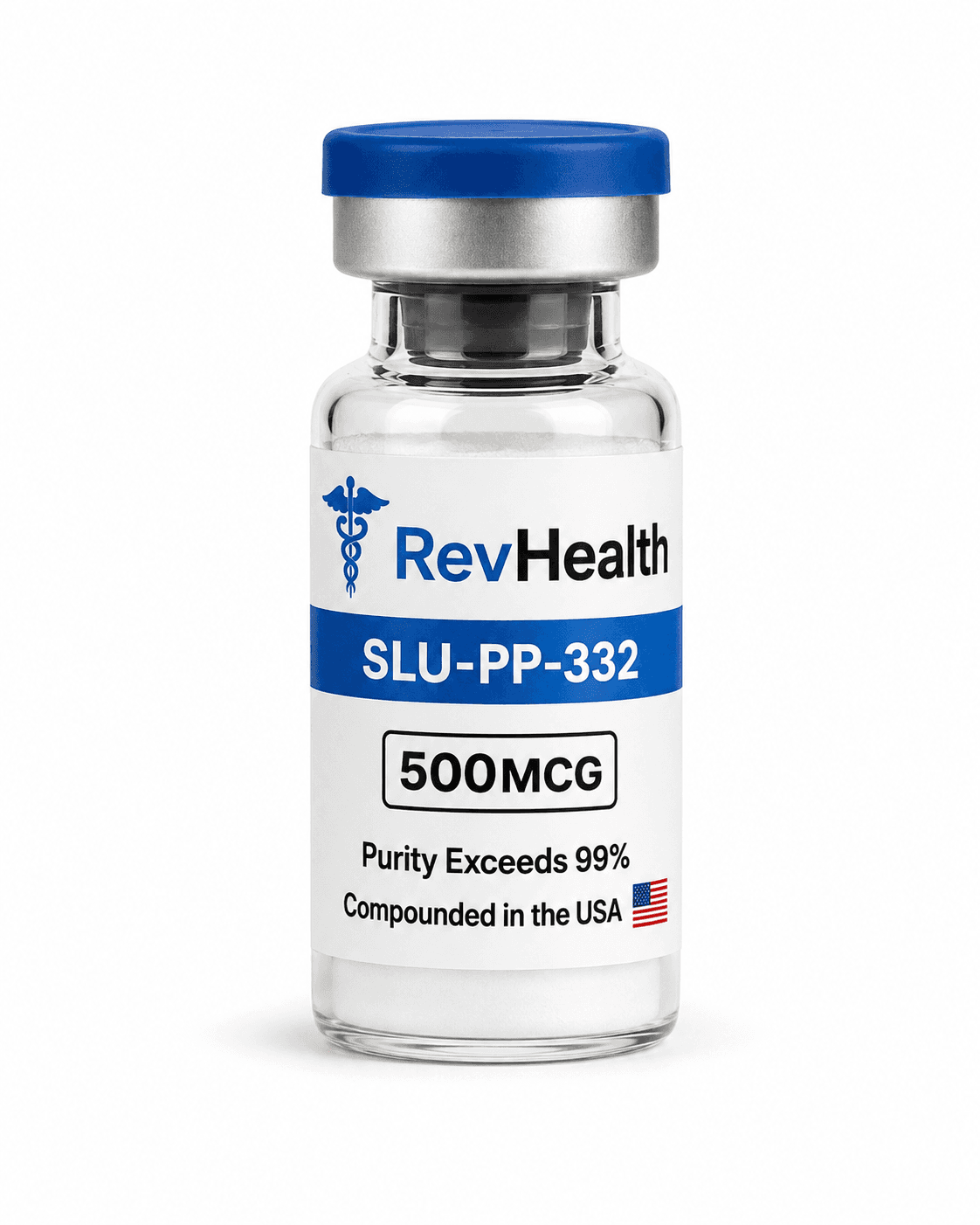
SLU-PP-332
ERRα/β/γ agonist for exercise mimetic research
from $120
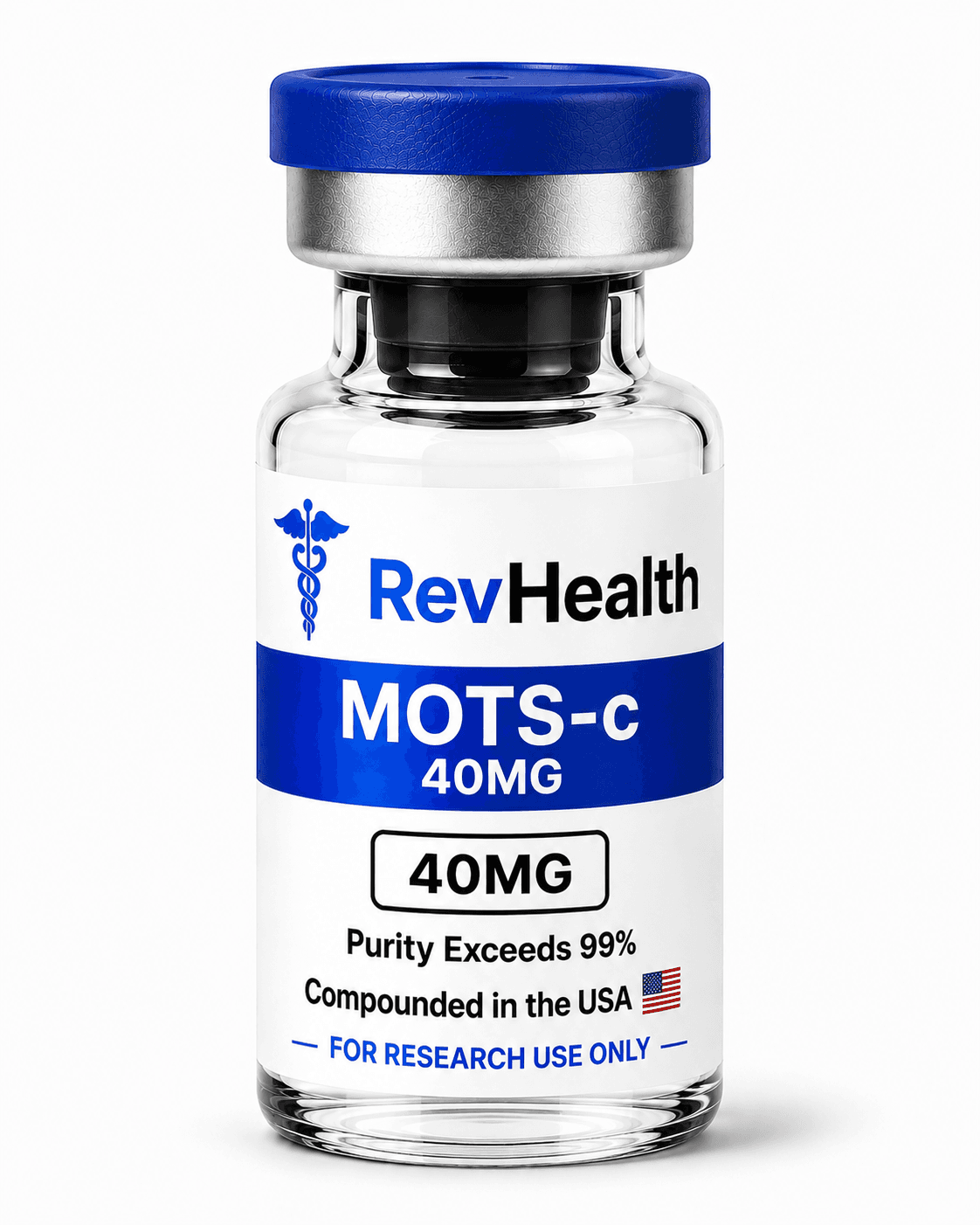
MOTS-C
Mitochondrial peptide for metabolic research (40 mg per vial)
from $70
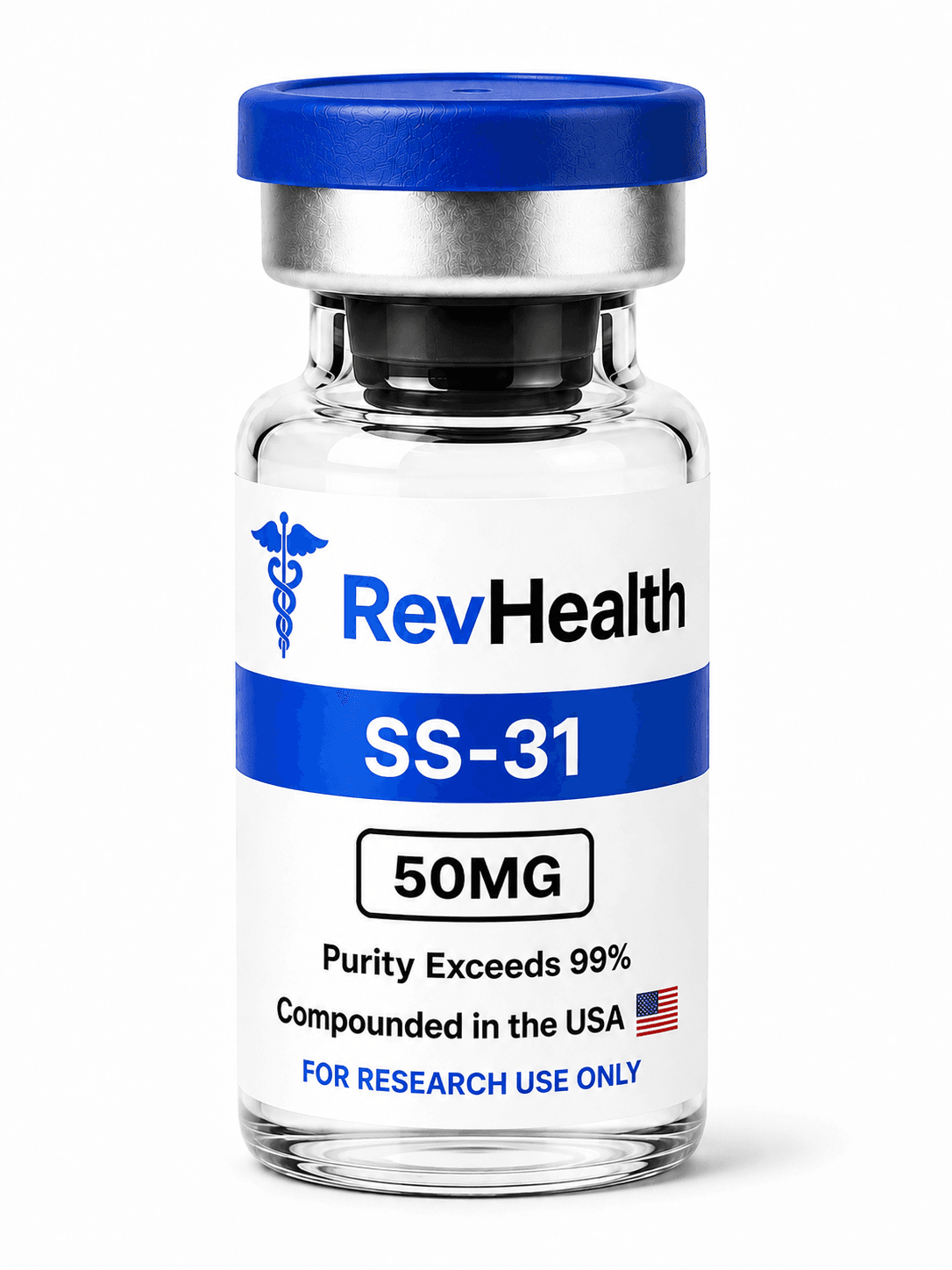
SS-31 50MG
Mitochondrial-targeted antioxidant peptide
from $75
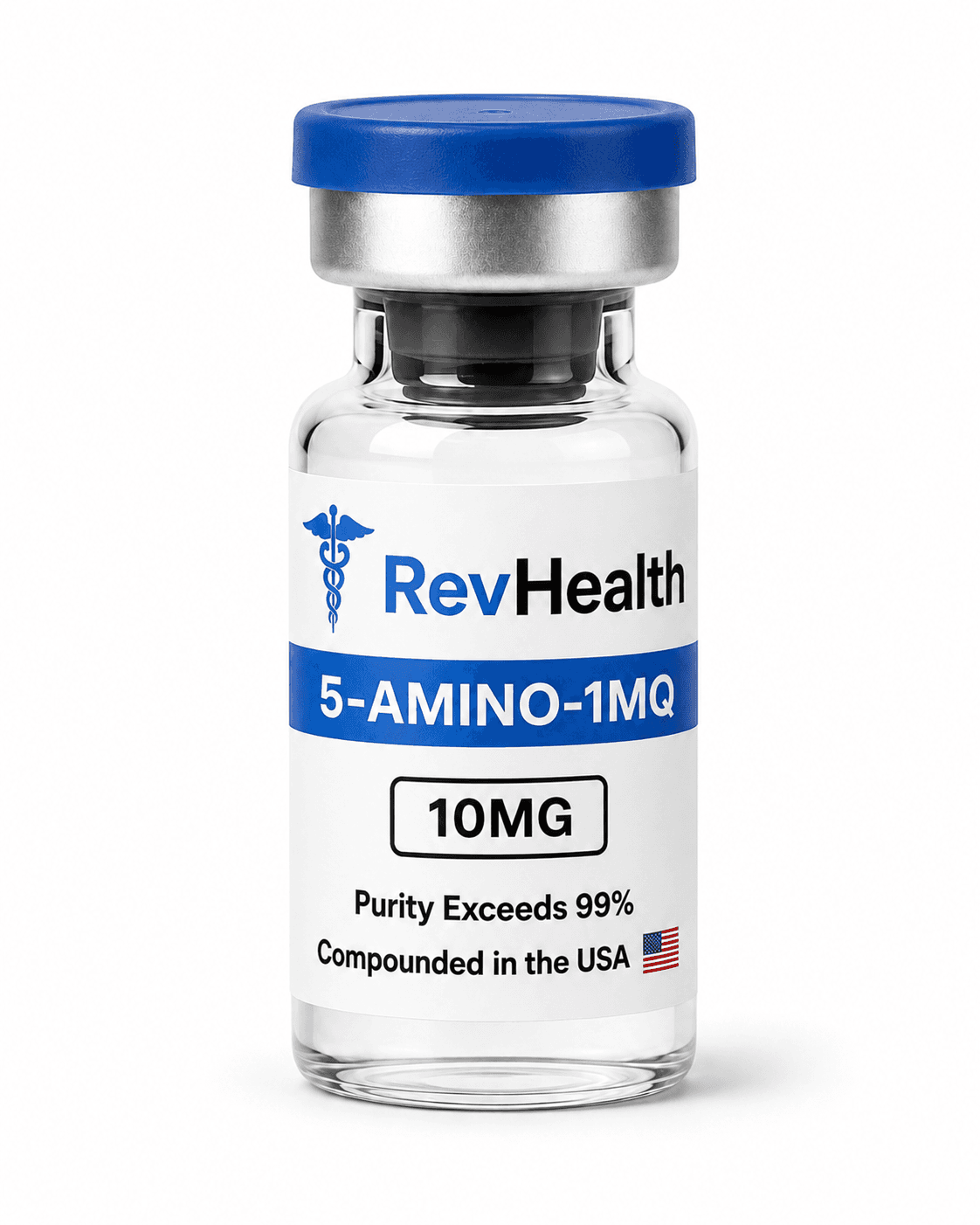
5-AMINO-1MQ 10MG
NAMPT pathway and metabolic research compound (10 mg per vial)
from $85
Continue From This Update
Explore the research catalog behind these topics.
Browse verified research compounds with third-party analytical documentation and category-specific product pages.
Shop Research PeptidesResearch use only. This article is educational and does not constitute medical advice. Products referenced on Revitalized Health are not intended for human or veterinary use, diagnostic use, therapeutic use, or consumption.