
Skin & Tissue Research Reference
The Architecture of Facial Quality: A Science-Based Approach
Building resilient, youthful-looking skin is a pursuit of structural integrity. To optimize facial tissue quality, you move beyond temporary fixes and focus on the biological processes that build and protect collagen — supplying raw materials, triggering synthesis, and defending against breakdown.
Build
Nutritional foundation — amino acids and Vitamin C as collagen raw materials
Induce
Micro-needling and GHK-Cu signaling to activate fibroblasts
Preserve
UV protection and glycation control to stop collagen breakdown
Foundation
The nutritional foundation
Before using advanced signals, the body needs the raw materials required for structural assembly.
Protein: collagen is a protein — maintaining adequate intake of amino acids (specifically glycine and proline) provides the building blocks. Vitamin C: the non-negotiable cofactor for collagen synthesis. Without sufficient Vitamin C, the enzymes responsible for stabilizing the collagen triple-helix cannot function.
- Protein — glycine and proline supply the collagen building blocks.
- Vitamin C — required cofactor that stabilizes the collagen triple-helix.
Induction
The mechanics of induction
Once the baseline is optimized, the wound-healing cascade can be triggered to stimulate new tissue growth.
Micro-needling: controlled micro-injuries force the skin to initiate a repair response, activating fibroblasts to synthesize fresh, organized collagen. GHK-Cu peptides: these act as biochemical signals that instruct fibroblasts to ramp up collagen and elastin production while modulating genes involved in tissue repair. Systemic anabolism: the GH/IGF-1 axis is a powerful regulator of connective-tissue thickness, providing anabolic drive that can amplify localized treatments.
- Micro-needling — controlled micro-injury activates fibroblasts.
- GHK-Cu peptides — signal fibroblasts to increase collagen and elastin.
- GH/IGF-1 axis — systemic regulator of connective-tissue thickness.
Preservation
Defensive preservation
You cannot build tissue faster than you break it down.
UV protection: daily SPF is the primary defense against matrix metalloproteinases (MMPs) — enzymes triggered by sunlight that actively dissolve existing collagen. Glycation control: excessive refined sugar leads to AGEs, which cross-link and stiffen collagen fibers, causing loss of skin elasticity.
- UV protection — daily SPF blocks MMP enzymes that dissolve collagen.
- Glycation control — limiting refined sugar prevents AGE cross-linking that stiffens collagen.
Disclaimer
Read before acting on any of this
This information is for educational purposes only. It does not constitute medical advice, diagnosis, or treatment.
Systemic hormonal or peptide interventions carry significant risks and should be discussed with a qualified medical professional. All RevHealth compounds are for research use only — not for human consumption.
Related Compounds
Continue Researching This Category
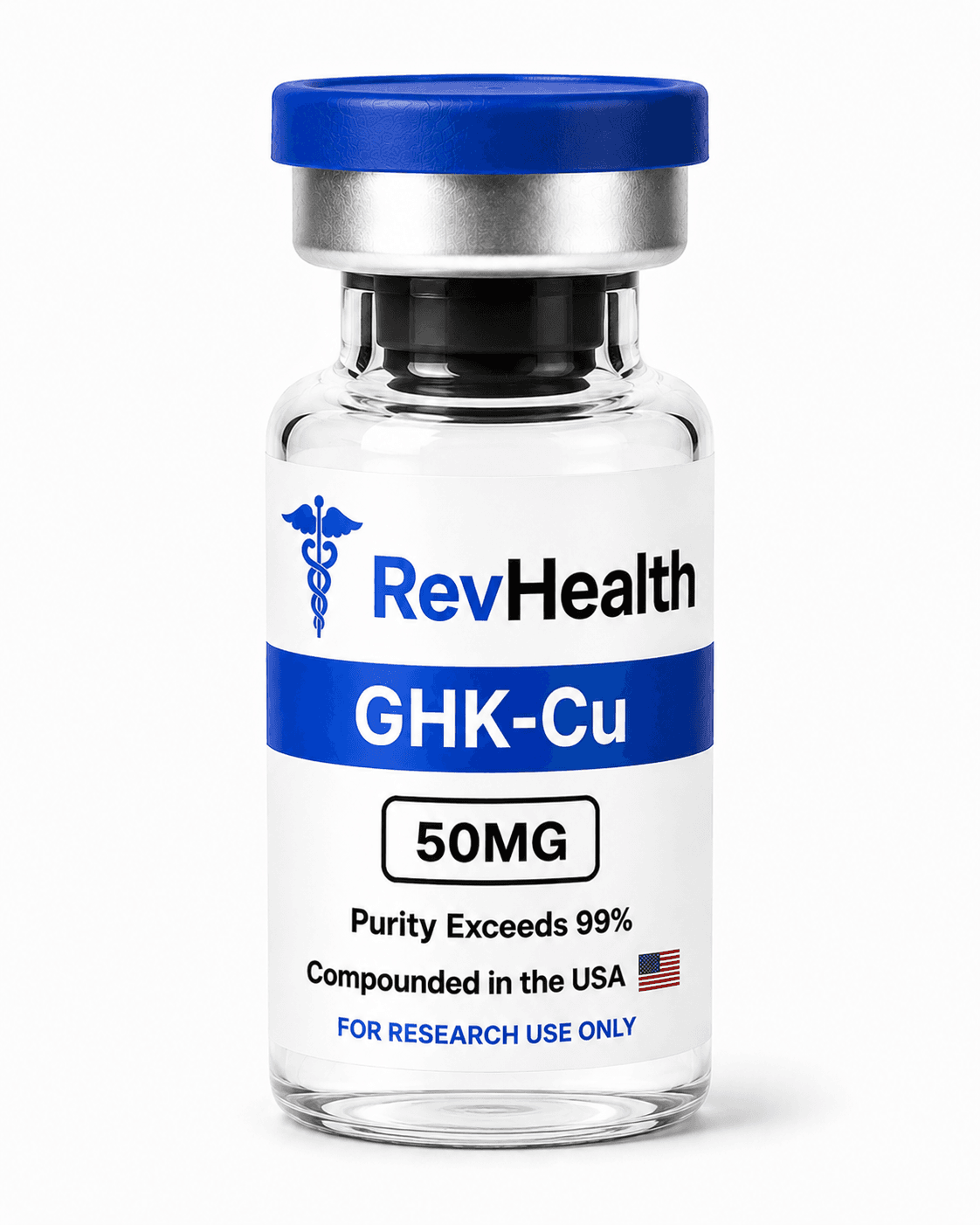
GHK-CU
Copper peptide for skin and tissue regeneration
from $80
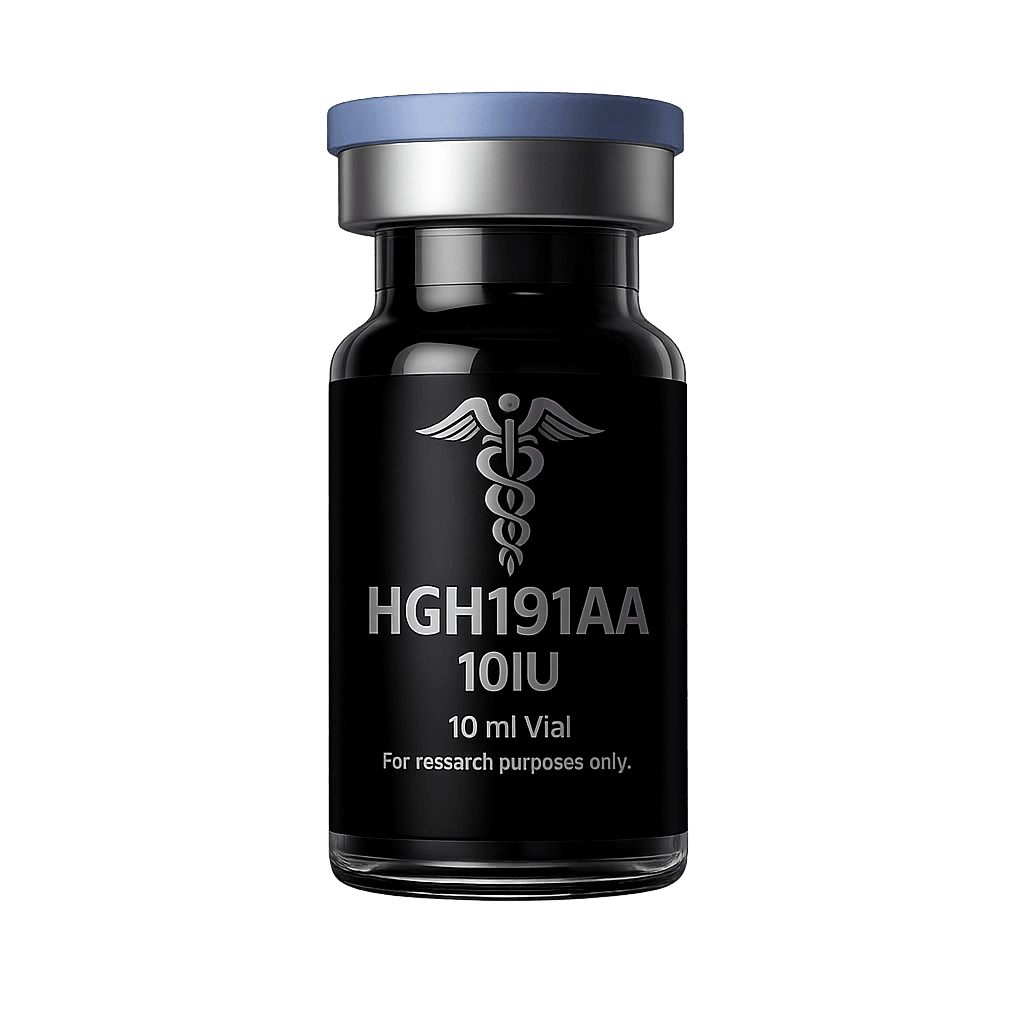
HGH
Recombinant human growth hormone — 10 glass vials per pack
$200
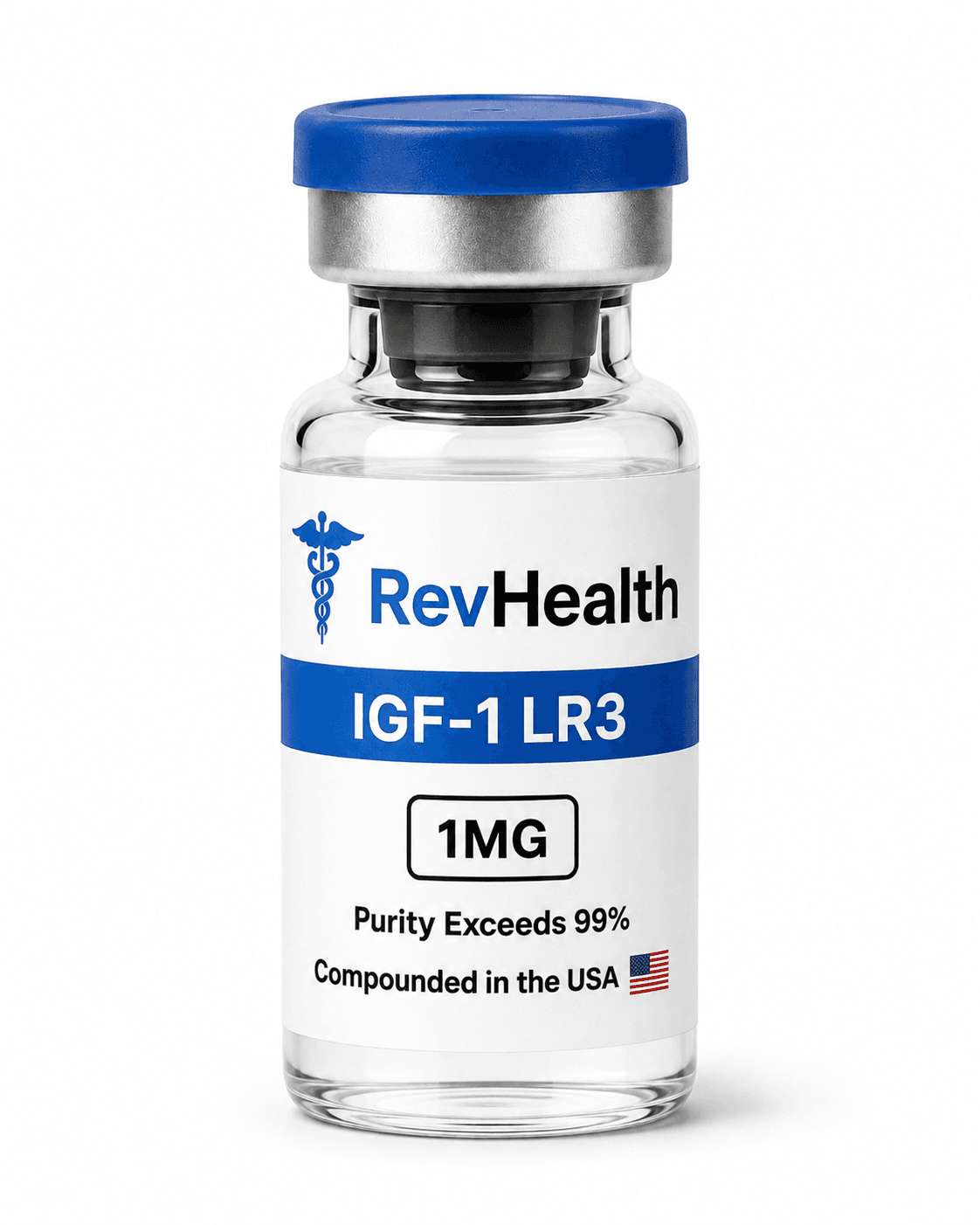
IGF-1 LR3
Long-acting IGF-1 analog for growth research
from $70
Continue From This Update
Explore the research catalog behind these topics.
Browse verified research compounds with third-party analytical documentation and category-specific product pages.
Shop Research PeptidesResearch use only. This article is educational and does not constitute medical advice. Products referenced on Revitalized Health are not intended for human or veterinary use, diagnostic use, therapeutic use, or consumption.